

If you’re new to the world of IVF (in vitro fertilisation), the process might seem a bit confusing at first. With so many steps involved, it’s easy to feel overwhelmed or unsure about what to expect. But don’t worry, you’re not alone! IVF is a well-established fertility treatment starting way back in the 70’s with the first IVF baby being born in 1978. There’s even a film about it all on Netflix titled ‘Joy’ if you fancy a watch.
Knowing the different phases of an IVF cycle can help you feel more prepared and confident about your journey. In this guide, we’ll break down the IVF cycle into simple, easy-to-understand sections. Whether you’re just starting to explore IVF as an option for expanding your family or you’ve already scheduled your first consultation, this guide will walk you through what happens at each stage.
1. Initial Consultation and Testing
Before your IVF cycle even begins, you’ll have an initial consultation with your fertility specialist. It’s a great opportunity to ask any questions you might have about your diagnosis and evidence-based treatments that help your personal fertility challenges.
What Happens During the Consultation?
- Medical History Review: Your doctor will go over your medical history, including any previous fertility treatments, health conditions, and lifestyle factors that could impact your fertility.
- Fertility Testing: You and your partner (if applicable) will likely undergo a series of tests. These may include blood tests to check hormone levels, an ultrasound to assess your ovaries, and a semen analysis for male partners.
- Developing a Treatment Plan: Based on the test results, your doctor will create a personalised treatment plan that suits your specific needs. The treatment plan will include your protocol (although usually sent to you after the consultation when test results are back, and medical plans are confirmed). Your Protocol is basically your treatment method (steps) and medication doses. This is also when you’ll learn more about the medications you’ll need to take during IVF.
This phase is all about gathering information and preparing your body for the IVF process. Ask questions and voice any concerns. Once your plan is in place, you’ll be ready to move on to the next step!
2. Ovarian Stimulation
The first official phase of the IVF cycle is ovarian stimulation. Normally, a woman’s body produces one mature egg per month, but during IVF, the goal is to produce multiple mature eggs to increase the chances of fertilisation.
How Does Ovarian Stimulation Work?
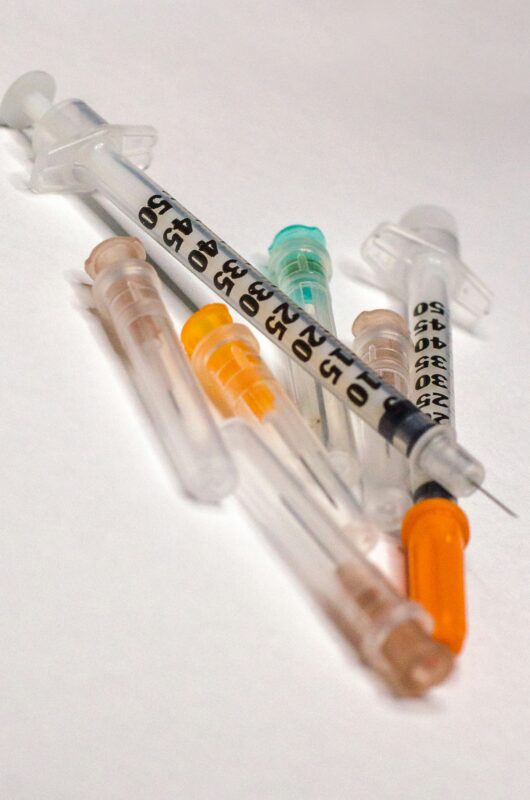
- Hormone Injections: You’ll take daily hormone injections (usually for 10-14 days) to stimulate your ovaries to produce more eggs. Don’t worry, the injections may sound scary, but your fertility clinic will teach you how to administer them at home. Most women find they quickly get used to it!
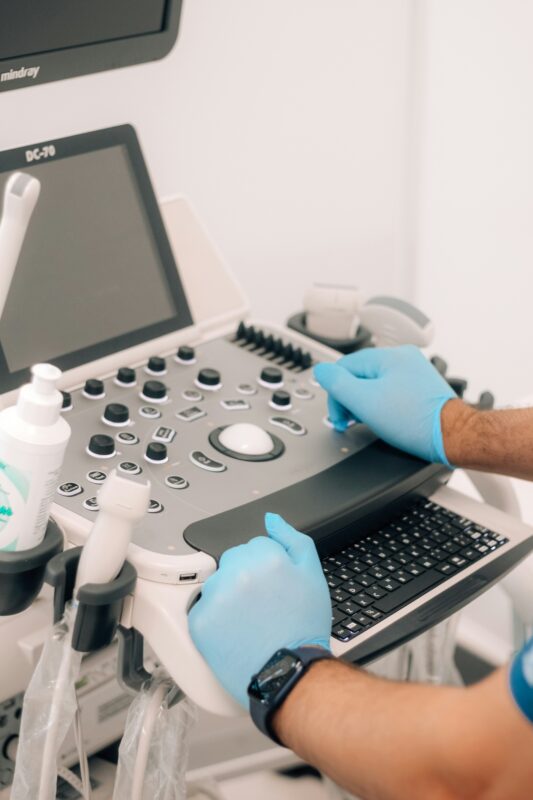
- Monitoring with Ultrasounds and Blood Tests: During the stims phase, you’ll have frequent monitoring appointments to check how your ovaries are responding to the medication. The first is usually on day 2 or 3 of your cycle, after that they become more frequent in line with your protocol as your follicles grow. The ultrasounds will be used to measure the growth of the follicles (which will contain the eggs), and blood tests will track your hormone levels.
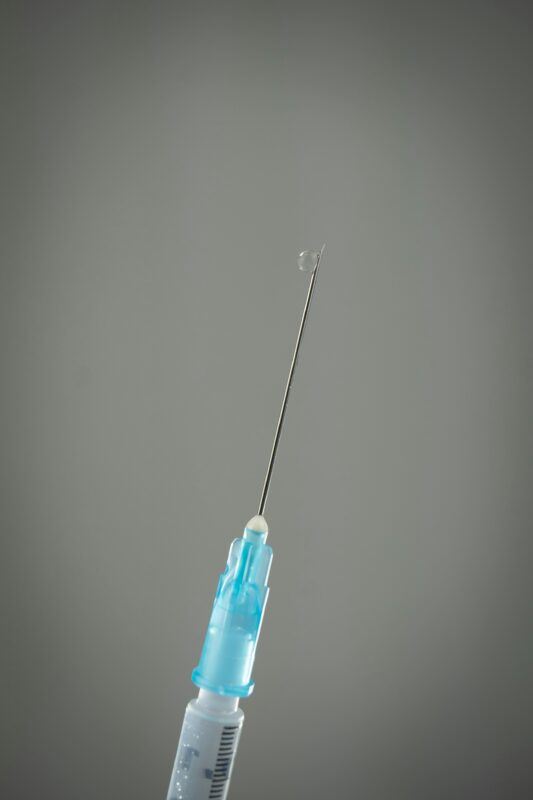
- Trigger Shot: Once your doctor sees that your eggs are at the right size and ready, you’ll receive a special injection called a “trigger shot.” This injection prompts the eggs to fully mature and prepares them for retrieval. The trigger shot happens at a specific time and your next appointment will be your egg collection.
Ovarian stimulation is an exciting and nerve-racking phase because you’re actively preparing your body and growing as many eggs as possible for your egg retrieval. It’s a daily routine of injections and monitoring, but it’s all leading up to the next important step.
3. Egg Retrieval
Egg collection is a key part of the IVF cycle, and it’s the phase where your doctor collects the eggs that have been growing in your ovaries. This step typically happens 36 hours after your trigger shot.
What Happens During Egg Retrieval?
- Light Sedation: In most countries you’ll be sedated during the procedure, so you won’t feel any discomfort. It’s usually done under light anaesthesia, which means you’ll be asleep but wake up shortly after the procedure is done.
- The Procedure: Using an ultrasound-guided needle, your doctor will retrieve the eggs from your ovaries. The process takes about 20-30 minutes, and most women feel fine afterward, although you might feel a little cramping or bloating.
- Eggs Collected: Once the eggs are collected, they are taken straight to the lab for fertilisation. The number of eggs retrieved varies from woman to woman. Lots of variables go into a successful cycle, so don’t panic about the amount of eggs. Any one of your eggs could be the right one for a successful pregnancy.
After the retrieval, you should rest for the day and take it easy while your eggs are prepared for fertilisation.
4. Fertilisation and Embryo Development
After the egg retrieval, the magic happens in the lab! The eggs will be fertilised with sperm (either from your partner or a donor) to create embryos. This phase is all about giving the embryos time to develop and grow.
How Does Fertilisation Work?
- Insemination or ICSI: Depending on your fertility plan, your eggs will either be mixed with sperm in a dish (this is traditional fertilisation) or injected with a single sperm (this is called intracytoplasmic sperm injection or ICSI). The goal is to allow the sperm to fertilise the eggs naturally or through ICSI.
- Monitoring Embryo Development: Over the next 3-5 days, the fertilised eggs will develop into embryos. Your doctor will keep a close eye on them in the lab to ensure they are growing as expected.
- Embryo Selection: Once the embryos reach a certain stage (common practice now is usually on day 5), your doctor will select the healthiest-looking embryos for transfer. If you have numerous high-quality embryos, they can be frozen for future use.
This phase is all about letting nature (with the help of science!) do its thing. You’ll be updated on how the embryos are developing every couple of days, but most of the work happens behind the scenes in the lab.
5. Embryo Transfer
Embryo transfer is a big milestone in the IVF cycle, and it’s one of the final steps before you enter the two week waiting period. This is when one or more of the best embryos are placed into your uterus in the hopes of it implanting and resulting in pregnancy.
How Does the Embryo Transfer Work?
- The Transfer Procedure: The embryo transfer is a simple procedure that doesn’t require sedation. Using a small catheter, your doctor will place the embryo into your uterus. The process is quick, usually taking only a few minutes.
- Number of Embryos Transferred: Depending on your age and fertility plan, your doctor will recommend transferring one or more embryos. Transferring more than one increases the chances of pregnancy but also increases the risk of multiples.
- Rest and Relaxation: After the transfer, you’ll be advised to rest and take it easy for the next few days. While there’s no specific “activity restriction,” many women prefer to take a break and focus on relaxing.
Now comes the hardest part, the waiting! But don’t worry, you’ve already come so far.
6. The Two-Week Wait (TWW)
The two-week wait is exactly what it sounds like, the waiting period between embryo transfer and the pregnancy test. It’s often the most emotionally challenging phase of the IVF cycle because it’s filled with anticipation and hope.
How to Manage the Two-Week Wait:
- Take Care of Yourself: Focus on self-care during this time (you can find tips here). Whether it’s acupuncture, light yoga, reading, or simply watching your favourite TV shows, visiting friends or even baking. Doing things you enjoy can help keep your mind occupied.
- Try to resist the Urge to Test Early: It can be tempting to take a home pregnancy test early, but it can sometimes lead to inaccurate results. Try to wait until your clinic’s recommended test day. If you really can’t fight the urge, you should know that it wont hurt you physically to test early but it might stress you out further and cause you to feel very emotional. Hormone levels change a lot over the TWW so just keep an open mind. There’s no right or wrong.
- Stay Connected: If you’re feeling anxious, talk to your partner, friends, or join a support group for others going through IVF. It’s a stressful time, but you don’t have to go through it alone.
At the end of the two-week wait, you’ll do a home pregnancy test and have a blood test to determine whether the IVF cycle was successful.
What Happens After Your IVF Cycle?
If the test is positive, congratulations! You’re pregnant, and the clinic will continue to monitor you closely in the early stages. If the test is negative, please don’t lose hope. IVF success rates vary, and many couples go on to have successful cycles after their first attempt.
Remember, IVF is a journey that requires patience, hope, and a little bit of science. By understanding each phase of the IVF cycle, you’ll feel more prepared and empowered as you take this important step toward growing your family.
Wishing you the very best!
Team – IVF Self Care x